

DIP LEDs Durable, high-brightness LEDs for long-distance viewing
DIP LEDs are a traditional LED technology designed for maximum brightness and durability, making them well suited to outdoor and long-distance viewing applications.
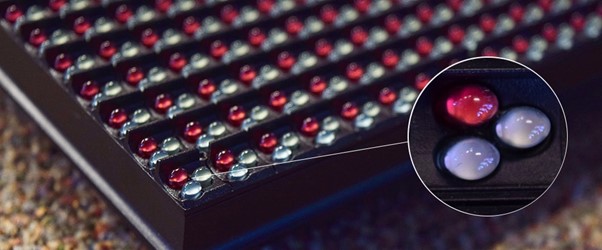

What Are DIP LEDs?
DIP stands for Dual In-Line Package. Unlike SMD LEDs, DIP LEDs use separate red, green and blue LED lamps, each mounted individually through the circuit board.
This construction makes them physically robust and highly resistant to environmental stress.
Why DIP LEDs Are Extremely Bright
DIP LEDs:
- Use larger individual LED lamps
- Allow higher light output per colour
- Perform well in direct sunlight
This makes them ideal for outdoor signage where visibility is critical.
Key Advantages of DIP LEDs
- Very high brightness for daylight viewing
- Excellent heat and moisture resistance
- Long viewing distances
- High durability in outdoor environments
DIP LEDs are often chosen where image detail is less critical than visibility and resilience.
Typical Applications
DIP LEDs are commonly found in:
- Outdoor billboards
- Roadside signage
- Stadium displays
- Large public information screens
They are particularly effective where viewers are far from the screen.
Limitations of DIP LEDs
Compared to SMD LEDs, DIP LEDs:
- Have larger pixel pitch
- Are not suitable for close-viewing
- Offer lower image detail
- Are rarely used indoors today
As LED technology has evolved, DIP LEDs are now mainly reserved for specific outdoor use cases.
DIP vs SMD (High-Level)
- DIP LEDs: brightness and durability
- SMD LEDs: resolution and image quality
The choice depends entirely on the environment and viewing distance.